


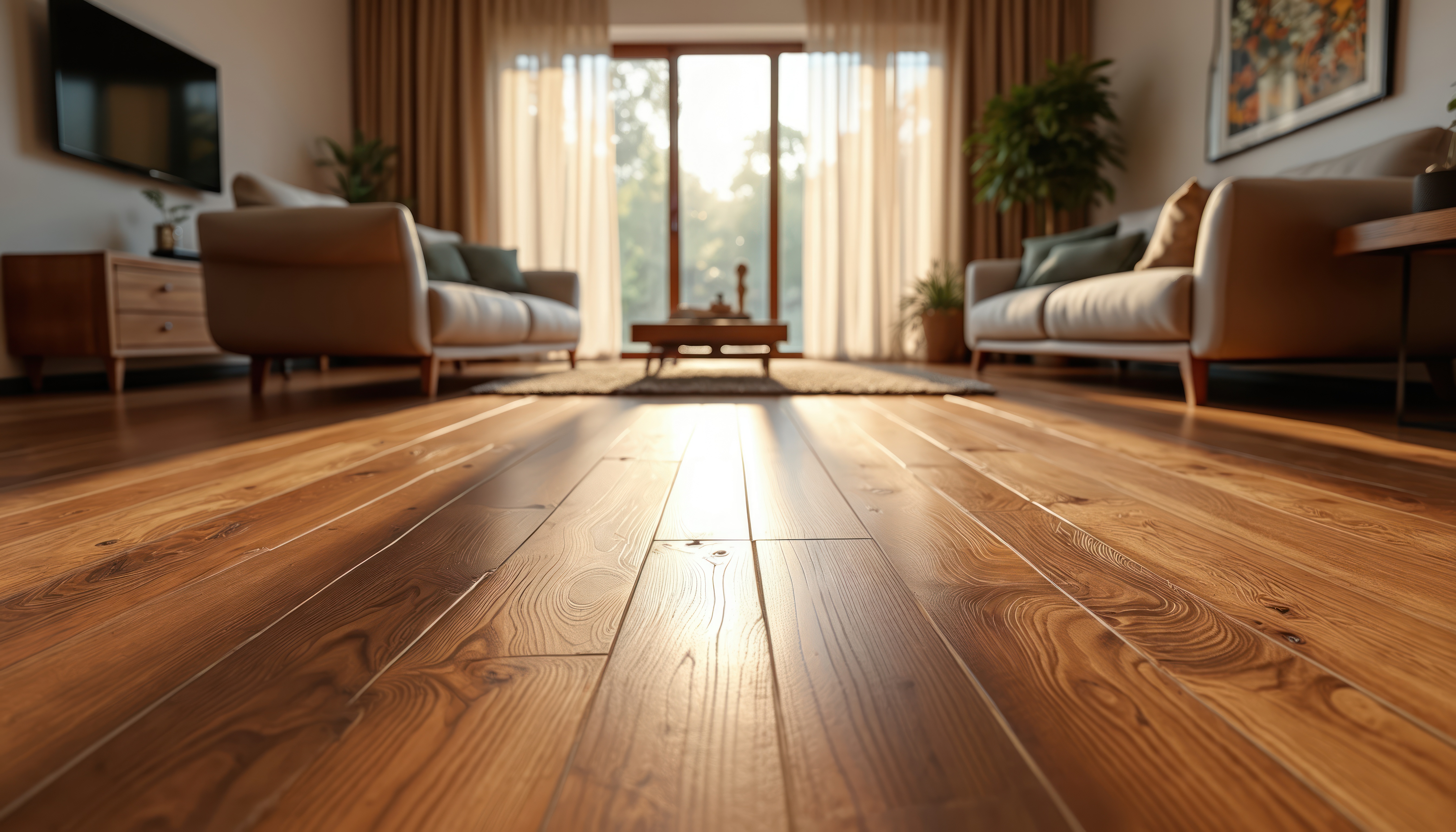
Hardwood flooring remains one of the most sought-after features in modern home design. Its natural warmth, distinct grain patterns, and timeless appeal can instantly elevate the aesthetic of any room. However, when you begin shopping for wood floors, you will quickly face a fundamental choice: solid hardwood or engineered hardwood. Both options offer stunning visual results, but they are constructed differently and perform best under different conditions. Understanding these distinctions is the first step toward making a smart, long-term investment for your home.
Understanding the Core Differences
The primary difference between these two products lies beneath the surface. Solid hardwood planks are exactly what the name implies—a single, solid piece of wood milled from a tree trunk, usually about three-quarters of an inch thick. Because it is pure wood through and through, it expands and contracts in response to changes in relative humidity.
Engineered hardwood, on the other hand, is a product of modern manufacturing ingenuity. It features a top layer of real hardwood veneer bonded over multiple cross-grained layers of high-quality plywood or composite material. This multi-layered backing gives engineered wood incredible structural stability, making it far less susceptible to warping, cupping, or gapping when temperatures and moisture levels fluctuate.
Where Each Type Excels
Because of its structural integrity, engineered hardwood is highly versatile. It can be safely installed in areas where solid wood typically struggles, such as basements, over concrete slabs, or in regions with intense seasonal humidity. It is also compatible with many radiant heating systems, offering a level of flexibility that solid wood cannot match.
Solid hardwood excels in main-level spaces, bedrooms, and living areas where humidity levels remain relatively stable. Its main advantage is its sheer longevity. Because the planks are thick solid wood, they can be sanded down and refinished multiple times over the decades. If your style preferences change or the floor shows signs of heavy wear after ten or fifteen years, a simple refinishing project can make the floors look brand new again.
Longevity and Resale Value
Both options add significant financial value to your property, as homebuyers universally appreciate the look of real wood. While solid hardwood can technically last for generations with proper care, high-quality engineered hardwood with a thick wear layer can also be refinished once or twice and will easily last for several decades.
When deciding between the two, consider your subfloor type, the specific room you are renovating, and how long you plan to stay in your home. If you are upgrading a basement or installing over a concrete foundation, engineered wood is almost always the superior technical choice. If you are flooring a traditional first-story living room and want a floor that your grandchildren could walk on, solid wood is hard to beat.
Visit the Holland Floor Covering showroom or use our online room visualizer tool to preview how different wood grains and finishes will look in your space today.


