


Bathroom renovations in Wayne, Pennsylvania often come down to choosing materials that can handle daily moisture while complementing the unique architectural style of your home. Whether you are updating a classic Main Line home or styling a modern primary suite, tile remains the premier flooring choice for wet environments. However, homeowners frequently wonder whether porcelain or ceramic tile is the better fit for their specific bathroom project. While both are made from clay and kiln-fired, key differences in density, water resistance, and durability will dictate which material performs best in your space.
Understanding the Clay and Manufacturing Difference
The main distinction between porcelain and ceramic lies in the refined quality of the raw materials and the temperature at which they are fired. Porcelain is manufactured using finer, denser clay and fired at extremely high temperatures under immense pressure. This intensive manufacturing process yields a tile that is dense, tough, and virtually impervious to water.
Ceramic tile, on the other hand, is crafted from coarser clay and fired at lower temperatures. It is softer and easier to cut than porcelain, making it a reliable, versatile option for walls and lower-traffic areas. While both tile types feature beautiful glazed surfaces, porcelain often features "through-body" color, meaning the shade continues all the way through the tile rather than sitting solely on the surface.
Moisture Resistance in Pennsylvania Homes
Humidity levels in southeastern Pennsylvania fluctuate drastically from freezing winters to humid summers. In the bathroom, damp towels, steamy showers, and splashing tubs create a high-moisture environment that demands proper flooring selection.
Porcelain tile holds an officially certified water absorption rate of less than 0.5 percent. This non-porous structure makes porcelain the ideal material for shower floors, walk-in shower walls, and busy family bathrooms where water pools frequently. Ceramic tile is slightly more porous than porcelain, which means standard glazed ceramic works exceptionally well for main bathroom floors, powder room floors, and decorative backsplashes, though it requires precise grout sealing to prevent moisture from seeping underneath over time.
Durability and Foot Traffic Demands
When evaluating long-term durability, consider who will be using the bathroom daily. Powder rooms used primarily by guests do not encounter the same wear as a high-traffic master bathroom or a children’s bathroom.
Porcelain Tile: Its extreme density makes it highly resistant to chipping, scratching, and heavy impact. If an object falls onto a porcelain floor, it is less likely to chip, and even if it does, the chip is often barely noticeable due to the color running through the body of the tile.
Ceramic Tile: While sturdy, ceramic is somewhat softer. It handles standard foot traffic with ease, but dropping heavy items can chip the surface glaze, exposing the clay underneath.
For high-use bathrooms in active households, porcelain offers maximum long-term resilience. For guest bathrooms or wall applications, ceramic provides a durable, cost-effective surface.
Styling Versatility for Local Architecture
Wayne homes showcase a wide spectrum of interior designs, ranging from historic stone houses with traditional detailing to sleek, modern construction. Fortunately, both porcelain and ceramic tiles come in an extensive selection of colors, shapes, patterns, and textures.
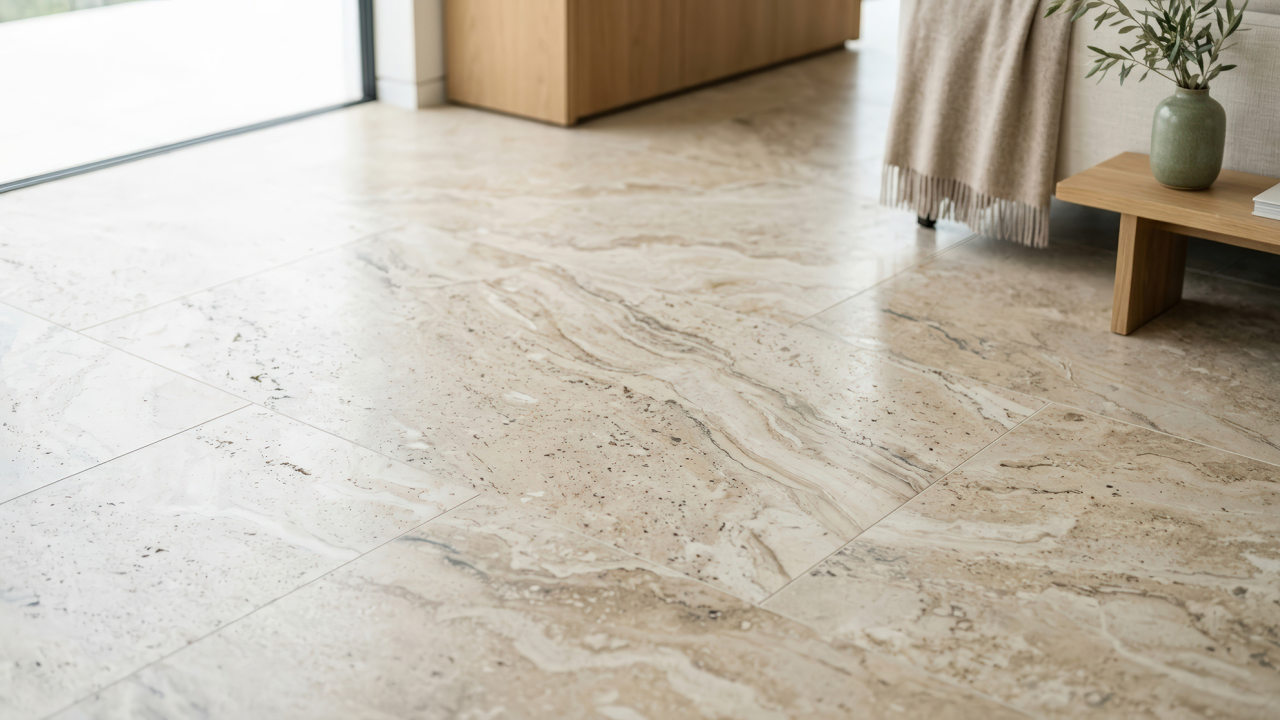
Porcelain excels at replicating natural materials. Advanced manufacturing allows porcelain tiles to mimic marble, slate, limestone, and even hardwood planks with impressive accuracy. This allows you to enjoy the high-end appearance of natural stone or warm wood with none of the maintenance hassle.
Ceramic tile stands out for decorative patterns, intricate mosaic accents, and classic subway tiles. It offers rich color glazes and handcrafted looks that fit beautifully into cozy cottage aesthetics or traditional master suites.
Radiant Heating Compatibility
Pennsylvania winters make cold bathroom floors a morning challenge. Combining tile with an under-floor radiant heating system is a popular solution for local homeowners. Both porcelain and ceramic conduct and retain heat effectively, turning cold tile into a warm, comfortable surface underfoot. Because porcelain is slightly denser, it distributes heat evenly across large floor plans and holds heat longer after the system shuts off.
Selecting the Right Tile for Your Bathroom Project
Choosing between porcelain and ceramic tile comes down to the specific requirements of your room, your aesthetic goals, and your renovation budget. Ceramic tile provides an affordable, lightweight option that shines on accent walls, shower surrounds, and low-moisture floors. Porcelain tile delivers unyielding strength, superior water resistance, and realistic natural stone designs that stand up to decades of heavy everyday use.


