


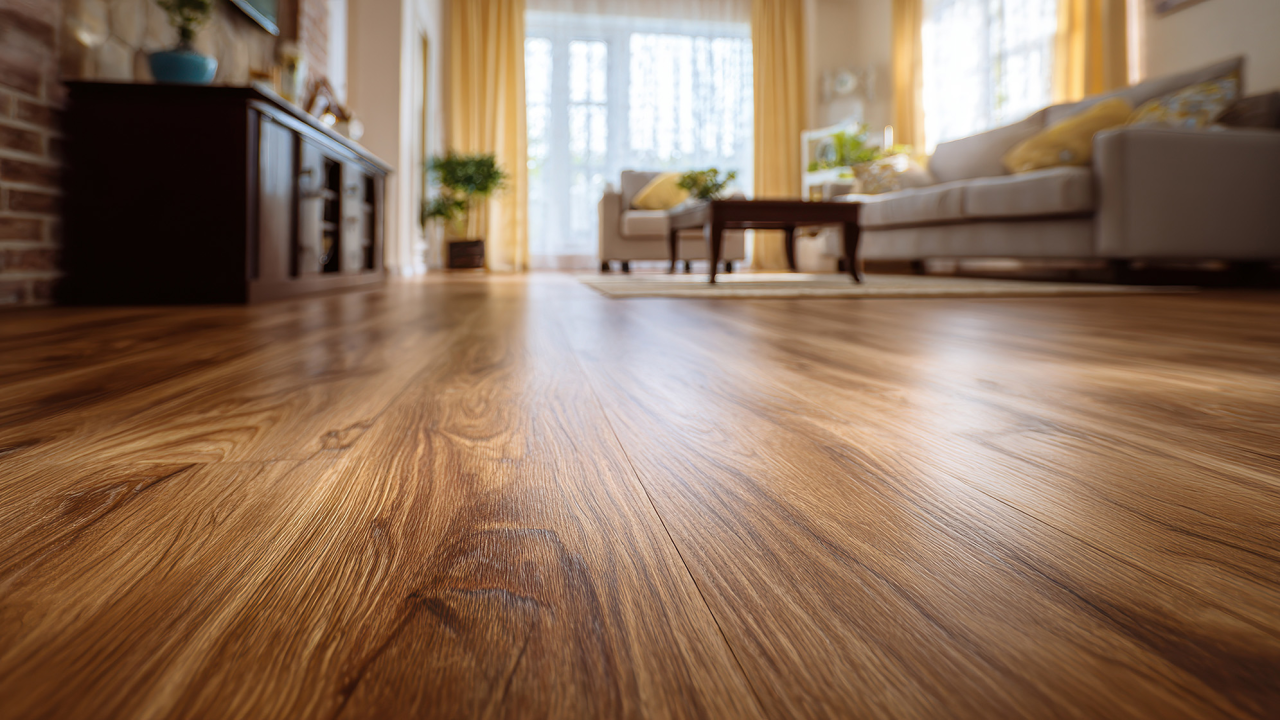
When outfitting a distinguished estate in Wayne, Pennsylvania, few interior choices carry as much influence as your selection of hardwood species. Hardwood flooring sets the tone for the entire residence, anchoring architectural elements, cabinetry, and furnishings. Among domestic hardwood species, Oak and Walnut stand as the two most popular options for luxury Main Line homes. While both deliver exceptional quality, their grain characteristics, natural coloration, and durability profiles suit distinct design visions.
Oak Hardwood: Versatile Strength and Classic Grain
Oak has earned its reputation as the benchmark of American hardwood flooring. Available primarily in White Oak and Red Oak varieties, this species offers exceptional structural stability and a versatile aesthetic palette.
White Oak
White Oak features subtle, linear grain patterns with undertones ranging from cool beige to soft muted brown. Its closed-grain structure makes it highly resistant to liquid absorption and ideal for taking custom stains—from contemporary pale Scandinavian finishes to deep classic browns.
Red Oak
Red Oak exhibits warm, reddish-pink undertones and a more pronounced, swirling grain pattern. Its distinctive texture effectively hides small surface scratches and everyday wear, making it a reliable choice for active estate living.
Oak’s robust density makes it resilient under heavy foot traffic, high-heeled footwear, and household pets, ensuring your floors maintain their integrity across high-traffic hallways and open-concept living rooms.
Walnut Hardwood: Rich Elegance and Sophisticated Character
American Black Walnut represents understated luxury. Renowned for its rich chocolate brown tones, auburn highlights, and flowing grain structures, Walnut creates an immediate sense of warmth and drama in formal spaces.
Unlike Oak, which is often stained to achieve a desired color, Walnut is prized for its natural, unstained appearance. Over time, sunlight exposure mellows Walnut into a warm, golden-brown patina that enhances its depth. Because Walnut features a softer grain pattern with elegant, sweeping swirls, it pairs beautifully with high-ceilinged libraries, formal dining rooms, and executive home offices.
Comparing Durability and Everyday Wear
While both species offer long-term performance, their physical hardness differs:
Oak: Ranks higher on the hardness scale, making it better suited for high-traffic zones, kitchens, and homes with pets.
Walnut: A slightly softer hardwood species that requires a bit more care to prevent deep dents from heavy impact, though its natural dark tone and rich grain help conceal light surface scuffs.
For busy households that desire low-maintenance durability across expansive floor plans, Oak provides a practical foundation. For estates focused on crafting intimate, high-end architectural statements, Walnut offers unmatched character.
Matching Species to Your Interior Aesthetic
Oak’s adaptability allows it to seamlessly bridge modern minimalism, rustic farmhouse elements, and traditional Main Line styling. Walnut thrives in environments featuring dramatic lighting, rich millwork, custom built-ins, and classic architectural details.
Choosing between Oak and Walnut ultimately comes down to your personal design vision and lifestyle demands.


