


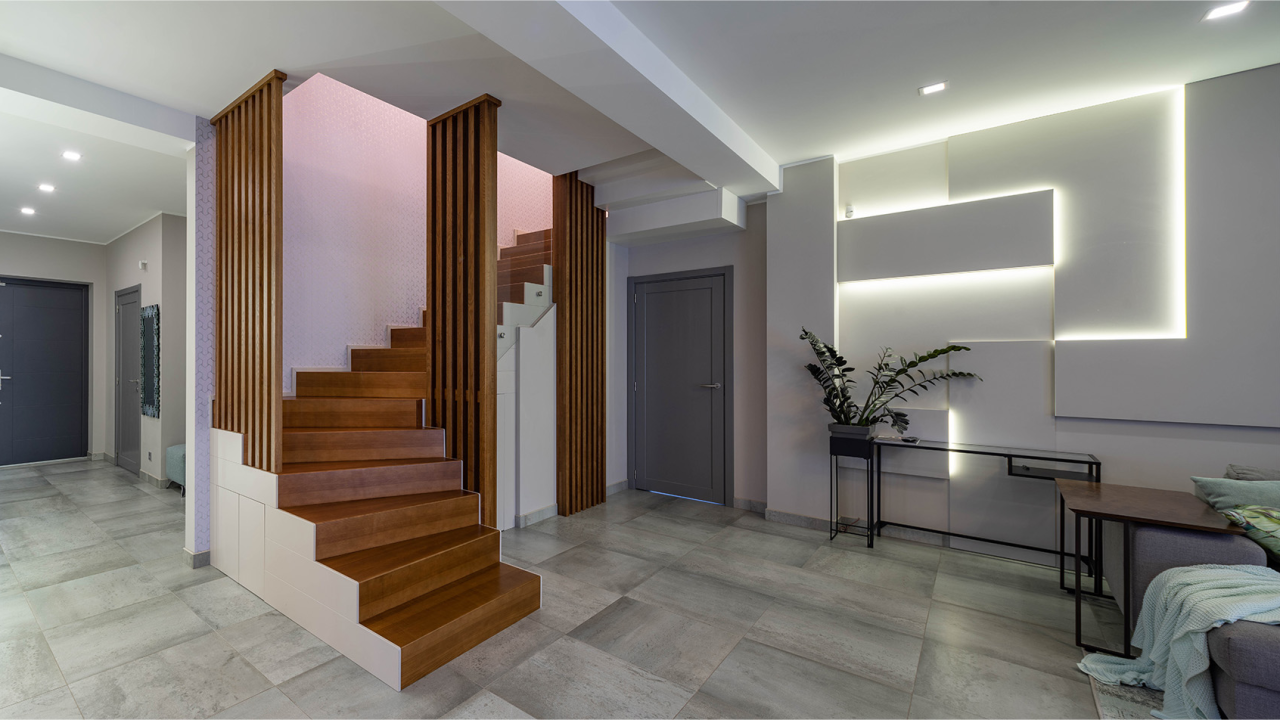
Winter in Wayne, Pennsylvania, brings freezing temperatures, icy winds, and snowstorms that make warm indoor environments a top priority. While central heating keeps indoor air comfortable, hard surfaces like tile and stone in bathrooms, kitchens, and mudrooms can remain uncomfortably cold underfoot. Installing electric or hydronic radiant floor heating beneath your tile turns cold floors into a source of gentle, efficient warmth, transforming your home into a winter sanctuary.
The Science and Comfort of Radiant Heat
Traditional forced-air heating systems blow warm air through vents, causing heat to rise quickly to the ceiling while leaving floors cold and drafty. Radiant tile floor systems work differently by warming the floor surface directly.
Heat radiates upward evenly across the entire room, warming objects and people from the feet up. This creates a consistent thermal comfort at lower ambient thermostat settings. Because radiant heat does not rely on blowing air, it minimizes dust circulation and reduces allergens—a major benefit for indoor air quality during winter months when windows remain closed.
Ideal Spaces for Heated Tile in Main Line Homes
While radiant floor heating can be installed in almost any room, certain areas in Wayne homes benefit immensely from this upgrade:
Primary Bathrooms: Stepping out of a warm shower onto heated tile turns a cold morning routine into a spa-like luxury.
Mudrooms and Entryways: Heated tile near entry doors quickly dries out wet snow boots, damp winter coats, and melted snow tracked in from outside.
Kitchens: Since homeowners spend significant time standing in kitchens preparing meals, radiant heat under kitchen tile reduces cold drafts along outer walls.
Basement Living Areas: Sub-grade tile floors stay notoriously cold; radiant heating makes finished basement suites and media rooms comfortable year-round.
Selecting the Right Tile Material for Heated Systems
Tile is the single best surface material to pair with radiant floor heating because it conducts and retains heat efficiently.
Porcelain Tile: Extremely dense and impervious to moisture, porcelain transfers heat quickly and holds thermal energy for extended periods. It is available in wood-look, stone-look, and large-format designs.
Natural Stone: Materials like marble, slate, and limestone retain heat exceptionally well, providing a luxurious, natural feel underfoot that stays warm long after the heating cycle turns off.
Ceramic Tile: A versatile, cost-effective option that distributes radiant heat evenly while offering endless design variations.
Energy Efficiency and Winter Performance
Radiant tile heating systems are highly efficient. Programmable smart thermostats allow homeowners to schedule heating cycles so floors are warm during morning and evening routines, while conserving energy during the day. Because the heat is concentrated where people actually gather—near the floor—you can comfortably lower your primary central heating thermostat without sacrificing personal comfort.
Investing in heated tile flooring enhances daily winter living while adding long-term appeal to your property.


