


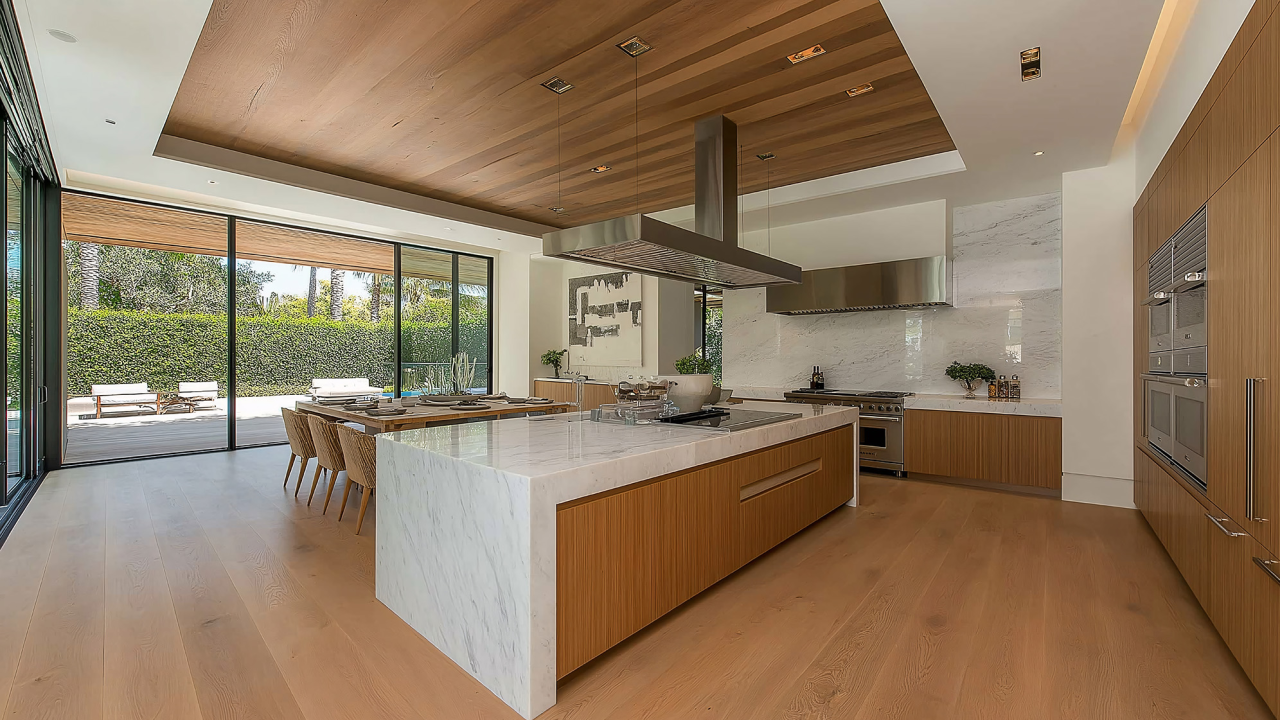
For years, design rulebooks warned against putting real hardwood in kitchens due to high foot traffic, dropped utensils, and occasional water splashes. Today, refined floor finishes and durable wood species have changed that perspective. Hardwood in the kitchen creates a warm, unified floor plan—especially in modern open-concept layouts where living areas and kitchen spaces flow together seamlessly. By keeping a few core rules in mind, you can enjoy rich, real wood floors where you cook and gather.
Debunking the Moisture Myth
The biggest concern with kitchen hardwood is moisture. While standing water will damage wood if left untreated, normal kitchen spills are easy to handle. Modern polyurethane finishes create a tight protective barrier over the wood grain, preventing accidental splatters from soaking in immediately.
The key to keeping hardwood healthy in moisture-prone zones is quick cleanup. Keeping a soft microfiber cloth nearby to wipe up spills right away prevents water from seeping into board seams and causing warping over time.
Choosing the Right Wood Species and Grain
Not all wood species perform the same under heavy kitchen traffic. Softer woods like pine or fir dent easily under falling pots or heavy appliances. For a resilient kitchen floor, choose dense hardwoods with high hardness ratings:
White Oak: Highly stable, durable, and naturally resistant to moisture thanks to its closed cellular structure.
Hickory: Exceptionally hard with strong grain patterns that hide everyday wear.
Hard Maple: Clean, modern, and sturdy, though its subtle grain shows dents more readily than oak or hickory.
Additionally, wire-brushed or hand-scraped textures help camouflage minor scratches, foot marks, and pet scuffs far better than glass-smooth surfaces.
Finish Selection: The Matte and Low-Gloss Advantage
High-gloss finishes look elegant in photos, but in a kitchen, they act like a spotlight for smudges, dust, and water spots. For high-use zones, select matte, satin, or low-gloss finishes. Low-sheen topcoats diffuse light naturally, keeping your floors looking cleaner throughout the day while hiding minor wear and tear around stoves and islands.
Critical Rules for Kitchen Hardwood Care
To protect your kitchen floor from daily wear, set up a few protective buffers:
Use Mat Protectors: Place high-quality, breathable accent rugs or runners near high-use spots like the sink, dishwasher, and refrigerator. Avoid rubber-backed mats that trap moisture underneath.
Protect Appliance Paths: Attach heavy-duty felt pads to dining chairs, bar stools, and kitchen islands to protect the wood when moving furniture.
Skip the Steam Mop: Avoid using steam mops on hardwood floors. The high heat and pressurized moisture can force water into board edges, breaking down the protective seal.
Hardwood floors bring natural warmth, character, and long-term equity to your kitchen. If you want to find the right wood species, finish, or layout for your home, Contact us for more information.


